Introduction
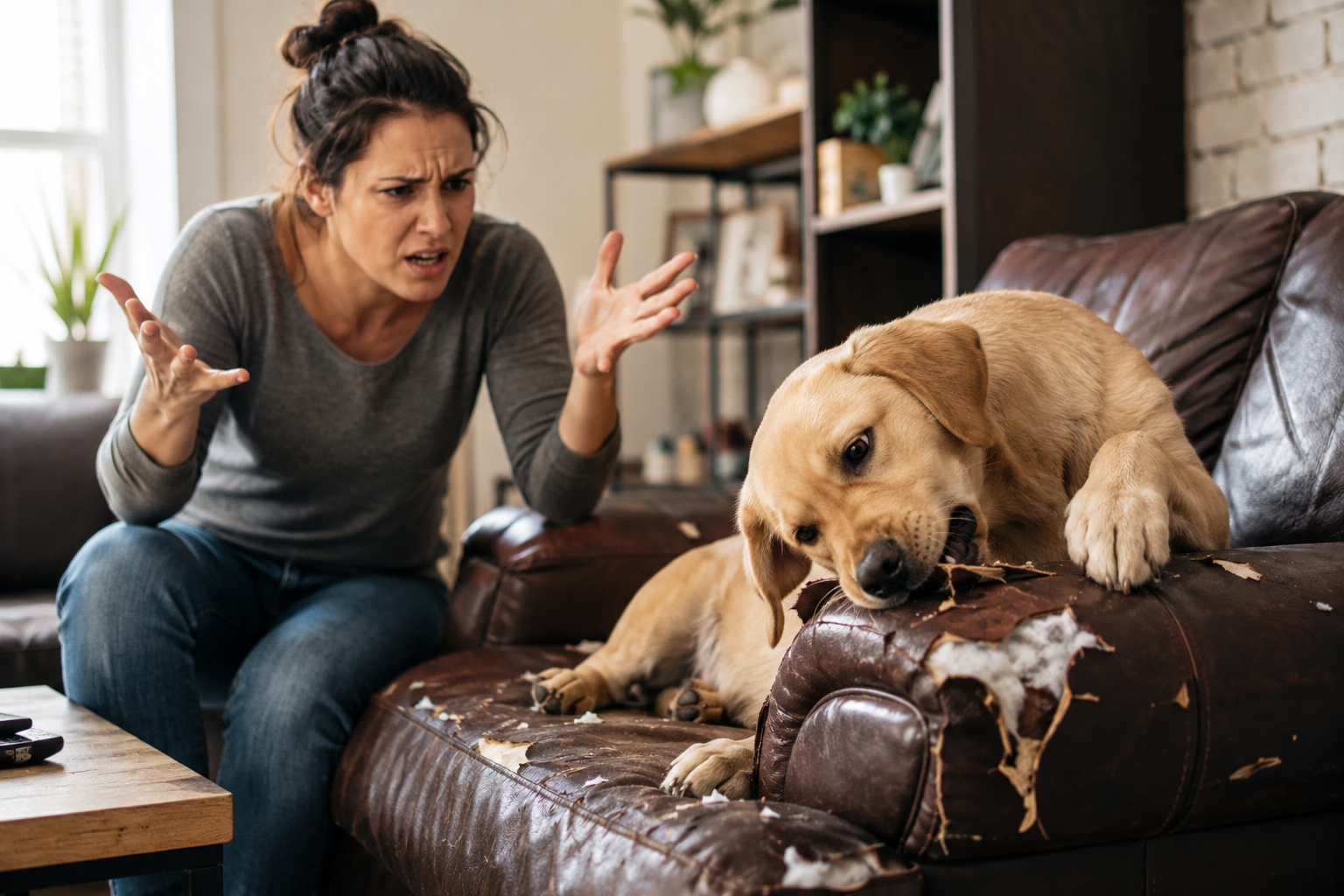
Learning how to protect leather couches from pets is essential if you want to enjoy both stylish furniture and a pet-friendly home. Leather couches bring a timeless, elegant look to any living space. They’re durable, easy to clean, and can last for many years when properly maintained. But if you share your home with dogs or cats, you may wonder whether leather is really the right choice.
Can dog nails scratch leather?
Will cats ruin the surface?
Do you need to keep your pets off the couch completely?
The good news is no.
Living with pets doesn’t mean you have to sacrifice beautiful furniture. Most damage happens gradually, and in many cases, it’s completely preventable with the right habits.
Many pet owners assume scratches are unavoidable. In reality, leather usually becomes worn because of small daily actions that add up over time. A dog jumping onto the same cushion every evening, a cat repeatedly using one corner as a scratching spot, or sunlight drying out the leather can all contribute to visible wear.
Understanding why leather changes over time is the first step toward protecting it.
In this guide, you’ll learn how to protect leather couches from pets, what actually damages leather furniture, why some leather couches age better than others, and practical ways to keep your furniture looking stylish without making your home less comfortable for your pets.
Why Leather Furniture Needs Different Care
Leather is often considered one of the most durable furniture materials, but durability doesn’t mean it’s immune to damage.
Unlike fabric upholstery, leather has a smooth protective finish. This finish helps resist spills and makes cleaning easier, but it’s also the first part of the couch to show scratches and wear.
A fabric sofa may hide minor damage within its woven fibers. Leather doesn’t have that advantage. Even a light scratch can become noticeable, especially on darker colors like black or dark brown.
The good news is that most scratches don’t immediately ruin the leather itself.
Instead, they affect the protective coating on the surface.
Once that coating begins to wear away, other everyday factors make the problem worse.
These include:
✅ Dust settling into tiny scratches
✅ Body oils from people and pets
✅ Dry indoor air during winter
✅ Direct sunlight through windows
✅ Repeated friction from jumping or climbing
Over time, these small issues combine to make scratches look deeper than they really are.
That’s why protecting leather isn’t about reacting after damage appears—it’s about slowing down the natural wear process before it becomes noticeable.
Genuine Leather vs. Faux Leather
Not every leather couch behaves the same way.
Knowing what type of material you own can help you choose the best protection methods.
Genuine Leather
Genuine leather is made from animal hide and is valued for its durability, comfort, and ability to develop character over time.
Benefits include:
✅ Long lifespan
✅ Naturally breathable material
✅ Easy to wipe clean
✅ Develops an attractive patina as it ages
However, genuine leather isn’t scratch-proof. Repeated contact from pet nails can leave visible marks, especially if the leather isn’t cleaned or conditioned regularly.
Fortunately, many light surface scratches become less noticeable with proper leather care.
Faux Leather
Faux leather, also called synthetic or vegan leather, is made from manufactured materials designed to imitate real leather.
It has several advantages.
✅ More affordable
✅ Water-resistant
✅ Easy everyday cleaning
However, faux leather ages differently.
Instead of developing a natural patina, it may begin peeling, cracking, or flaking once the outer coating wears away.
Because of this, preventing damage early is just as important as it is with genuine leather.
What Actually Damages Leather Couches?
When people think about pets damaging furniture, they usually imagine sharp claws.
Surprisingly, claws are only part of the story.
Most leather couches experience gradual wear from several different factors working together.
Let’s look at the biggest ones.
Dogs
Dogs rarely damage leather because they’re trying to.
Most damage comes from movement.
A dog jumping onto the couch creates friction between its nails and the leather surface. Even if each jump leaves only a tiny mark, repeating that action every day gradually wears down the protective finish.
Large breeds create even more pressure because of their weight.
Besides scratches, dogs also leave behind natural body oils, saliva, dirt from outdoor walks, and loose hair. These aren’t always visible right away, but over time they can make leather look dull and worn if they aren’t cleaned regularly.
Common signs of dog-related wear include:
✅ Light surface scratches
✅ Worn seat cushions
✅ Dirty seams
✅ Dull areas where dogs usually rest
Fortunately, most of these problems can be minimized with regular cleaning and a few simple preventive habits.
Cats
Cats interact with furniture very differently.
Most cats don’t damage leather simply by sleeping on it.
The real issue is scratching.
Scratching is a completely natural behavior that helps cats stretch their muscles, remove old nail layers, and mark their territory.
Your leather couch isn’t the target—it’s simply an attractive scratching surface if better alternatives aren’t available.
That’s why many experts recommend placing scratching posts close to the couch rather than across the room. Cats are much more likely to use them if they’re already near their favorite resting area.
Signs of cat-related damage often include:
✅ Vertical claw marks
✅ Scratched corners
✅ Damaged armrests
✅ Small puncture marks
Preventing scratching is much easier than repairing leather after the damage is done.
Daily Wear Is Often the Biggest Problem
One of the biggest misconceptions is that pets cause all the damage.
In reality, leather naturally changes as it ages.
Everyday household conditions slowly affect its appearance.
These include:
✅ Dry indoor heating
✅ Air conditioning
✅ Sunlight
✅ Humidity changes
✅ Everyday use by family members
Over time, leather loses some of its natural moisture.
As it becomes drier, it also becomes less flexible.
This makes even small scratches from pets more visible than they would have been on well-conditioned leather.
For that reason, protecting leather isn’t only about managing your pets.
It’s also about caring for the material itself.
When good leather care and smart pet habits work together, your couch can stay attractive for many years.
The Goal Isn’t Keeping Pets Off the Couch
Many pet owners believe the only solution is to stop their pets from using the couch altogether.
For most families, that’s simply unrealistic.
Dogs naturally want to stay close to their owners.
Cats enjoy warm, elevated places where they can observe the room.
Trying to eliminate these behaviors completely often creates unnecessary stress for both pets and owners.
A better approach is making your furniture more resistant to everyday wear while teaching pets better habits.
Instead of constantly saying “No,” focus on preventing damage before it happens.
A good protection strategy usually includes:
✅ Understanding how leather ages
✅ Reducing unnecessary scratching
✅ Protecting high-contact areas
✅ Cleaning leather regularly
✅ Giving pets comfortable alternatives
These small habits work together to preserve both your furniture and your relationship with your pets.
7 Proven Ways to Protect a Leather Couch from Pets
Now that you understand what actually causes damage, let’s look at practical ways to protect your leather couch without sacrificing its appearance.
Most of these solutions are inexpensive, easy to implement, and work best when combined rather than used individually.
1. Keep Your Pet’s Nails Trimmed
Many people only think about trimming their pet’s nails after they notice scratches on their furniture.
By then, the damage has already been done.
Keeping nails short doesn’t prevent pets from using the couch, but it greatly reduces the pressure each claw places on the leather whenever they jump, stretch, or change positions.
If your dog regularly climbs onto the couch several times a day, even slightly shorter nails can make a noticeable difference over the course of a year.
Simple habits that help include:
✅ Trim nails every few weeks.
✅ Smooth rough nail edges with a nail file.
✅ Don’t forget dewclaws, which often cause unexpected scratches.
✅ Consider pet stairs for older or larger dogs to reduce jumping.
Regular nail care also benefits your pet by improving comfort and reducing the risk of broken nails.
2. Protect High-Traffic Areas Instead of Covering the Entire Couch
One common mistake is covering the entire couch with thick blankets or plastic.
While this may protect the leather, it also hides one of the main reasons people bought a leather couch in the first place—its appearance.
Instead, identify where wear happens most often.
Usually this includes:
✅ Seat cushions
✅ Front edges
✅ Armrests
✅ One favorite sleeping spot
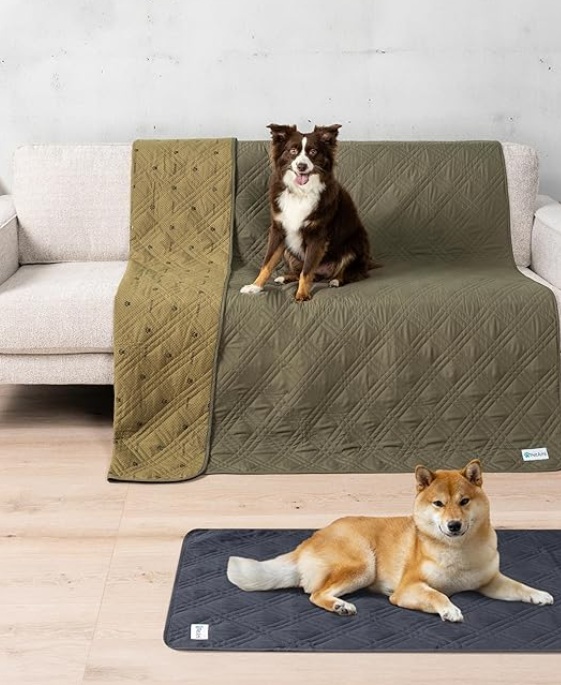
Protecting only these areas with a stylish throw or seat protector preserves the look of your furniture while reducing daily wear.
This approach also makes cleaning much easier.
Our Recommendation
If you’re looking for an easy way to protect leather couches from pets, a waterproof furniture protector is one of the simplest solutions. It helps reduce scratches, pet hair, dirt, and minor spills while preserving the natural beauty of your leather furniture.
➡️ Explore our Waterproof Furniture Protector Collection at Brindle Kin.
3. Give Your Pet a Better Place to Relax
Pets don’t choose the couch simply because it’s furniture.
They choose it because it’s comfortable, warm, and close to the people they love.
Rather than constantly telling your pet to get down, create an alternative resting place
that’s just as inviting.
A supportive bed placed near the sofa often becomes a pet’s favorite spot.
You can make it even more appealing by adding:
✅ A soft blanket
✅ A familiar toy
✅ A favorite chew item
✅ A location where your pet can still see the family
When pets have an attractive alternative, they naturally spend less time climbing onto furniture.
4. Clean Leather Before Dirt Becomes Damage
Leather doesn’t usually wear out overnight.
Most damage develops gradually because dirt, oils, and moisture remain on the surface for too long.
Simple weekly maintenance helps preserve both the appearance and flexibility of leather.
A good routine includes:
✅ Wiping the surface with a dry microfiber cloth.
✅ Removing pet hair from seams and corners.
✅ Cleaning spills as soon as possible.
✅ Using leather-safe cleaning products when necessary.
Avoid harsh household cleaners that contain alcohol, bleach, or strong detergents, as these can dry out the leather and weaken its protective finish.
Consistent light cleaning is much better than occasional deep cleaning.
5. Condition Leather Regularly
Cleaning removes dirt.
Conditioning restores moisture.
This is one of the most overlooked parts of leather care.
Over time, leather naturally loses moisture because of sunlight, heating systems, and everyday use.
Dry leather becomes less flexible, making scratches more noticeable.
Using a quality leather conditioner every few months helps:
✅ Keep leather soft.
✅ Reduce the appearance of light scratches.
✅ Maintain the original color.
✅ Extend the life of your furniture.
Always follow the manufacturer’s care recommendations, as different leather finishes require different products.
6. Redirect Scratching Instead of Punishing It
Cats don’t scratch furniture because they’re being naughty.
Scratching is an instinctive behavior that’s important for healthy claws and normal physical activity.
Punishing your cat after scratching usually creates fear rather than changing the behavior.
Instead, make scratching in the right place more rewarding.
Try these simple strategies:
✅ Place scratching posts beside the couch.
✅ Reward your cat when it uses the post.
✅ Use different scratching surfaces to find your cat’s preference.
✅ Keep scratching posts stable and tall enough for a full stretch.
The easier you make the correct behavior, the less interesting your couch becomes.
7. Teach Simple Furniture Rules Early
Training isn’t about keeping pets away from furniture forever.
It’s about creating consistent habits.
Dogs quickly learn routines when everyone in the household follows the same rules.
Simple commands like “Off,” “Place,” or “Stay” help pets understand where they’re expected to relax.
Remember:
✅ Reward good behavior immediately.
✅ Stay consistent.
✅ Avoid confusing mixed signals.
✅ Be patient while new habits develop.
Positive reinforcement is almost always more effective than punishment.
Protect Your Leather Couch with Pet-Friendly Solutions
If you’re looking for an easy way to protect leather couches from pets, choosing the right furniture protector can make a big difference. High-quality couch covers, furniture protectors, and pet blankets help reduce scratches, chewing damage, pet hair, and everyday wear while preserving the elegant look of your leather furniture.
At Brindle Kin, we’ve selected pet-friendly furniture protection products designed to help dog and cat owners keep their homes both stylish and practical. Whether you’re trying to prevent claw marks, reduce cleaning time, or simply extend the life of your leather couch, you’ll find solutions that fit everyday living with pets.
➡️ Browse our collection of pet-friendly furniture protection products at Brindle Kin and find the right solution for your home.
Common Mistakes That Shorten the Life of Leather Furniture
Even well-meaning pet owners sometimes make choices that accidentally damage leather.
Avoid these common mistakes:
❌ Covering leather with plastic for long periods.
Plastic traps heat and moisture, which may affect the leather finish over time.
❌ Using household cleaning sprays.
Many all-purpose cleaners contain chemicals that remove the leather’s protective coating.
❌ Ignoring small scratches.
Light scratches are easier to manage before dirt settles into them.
❌ Allowing repeated jumping from the same spot.
Over time, constant pressure wears down one section much faster than the rest of the couch.
❌ Skipping leather conditioning.
Clean leather still needs moisture to remain flexible and attractive.
Frequently Asked Questions
Can dogs permanently scratch leather couches?
➜ Yes, they can, especially if they frequently jump onto the same area with long nails. However, many light scratches only affect the surface finish and become less noticeable with proper cleaning and conditioning. Preventive care is much more effective than trying to repair deep scratches later.
Is genuine leather better than faux leather for pet owners?
➜Both have advantages.
Genuine leather is usually more durable over the long term and can develop a beautiful natural patina. Faux leather is easier to clean and often costs less, but it may peel or crack as it ages. The best choice depends on your budget, lifestyle, and maintenance routine.
Should I let my pet sleep on a leather couch?
➜There’s no single right answer.
If your pet regularly sleeps on the couch, protecting the favorite sleeping area with a stylish throw or washable blanket can reduce wear while keeping the furniture looking attractive.
How often should leather furniture be cleaned?
➜Light dusting once a week is a good habit for most homes with pets.
Deeper cleaning should follow the furniture manufacturer’s recommendations and depends on how frequently the couch is used.
Related Guides You May Find Helpful
If you’re creating a pet-friendly home, these articles may also help.
✅ Protect Couch from Dogs and Cats: 9 Solutions That Actually Work
Learn practical ways to reduce scratches, stains, pet hair, and everyday furniture damage.
✅ Best Washable Couch Covers for Pet Owners: 7 Features to Look For Before You Buy
Find out which features matter most when choosing a couch cover that protects furniture without sacrificing comfort.
✅ Best Couch Scratch Protectors for Cats: 7 Options That Actually Work
Compare different types of scratch protection designed specifically for cat owners.
✅ How to Remove Pet Hair from a Couch: 7 Easy Methods That Actually Work
Discover gentle cleaning methods that remove stubborn pet hair from sofas and other upholstered furniture.
✅ Best Pet Blankets for Furniture Protection: What Pet Owners Should Know
Learn how furniture blankets can protect your couch while complementing your home’s style.
Final Thoughts
Protecting a leather couch from pets doesn’t require choosing between beautiful furniture and happy animals.
With a few consistent habits, you can enjoy both.
✅ Keep your pet’s nails trimmed.
✅ Clean and condition leather regularly.
✅ Protect the areas that receive the most wear.
✅ Encourage pets to use comfortable alternatives.
✅ Reinforce good behavior through positive training.
Small preventive steps taken today can help your leather couch stay comfortable, attractive, and durable for many years to come.